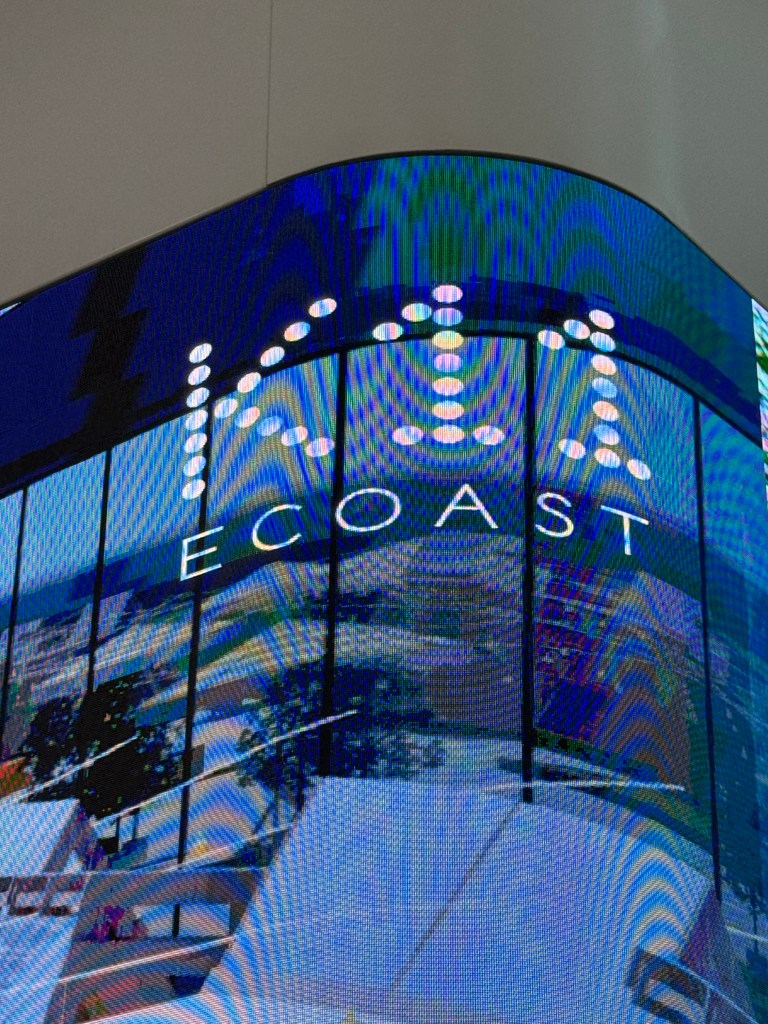
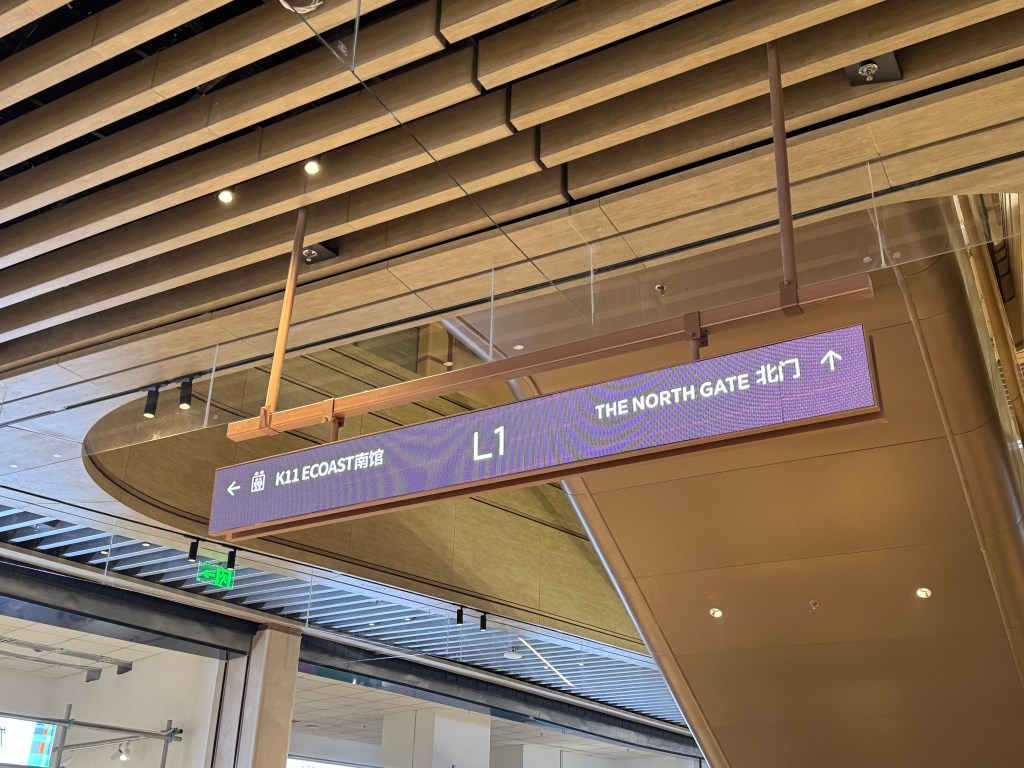

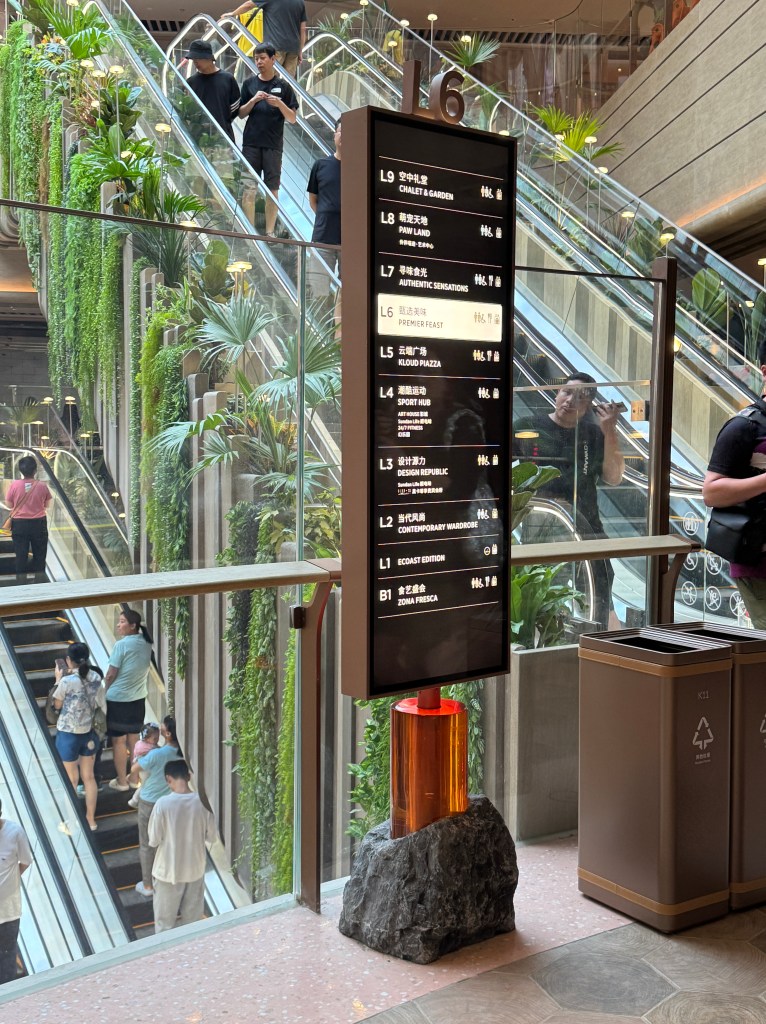
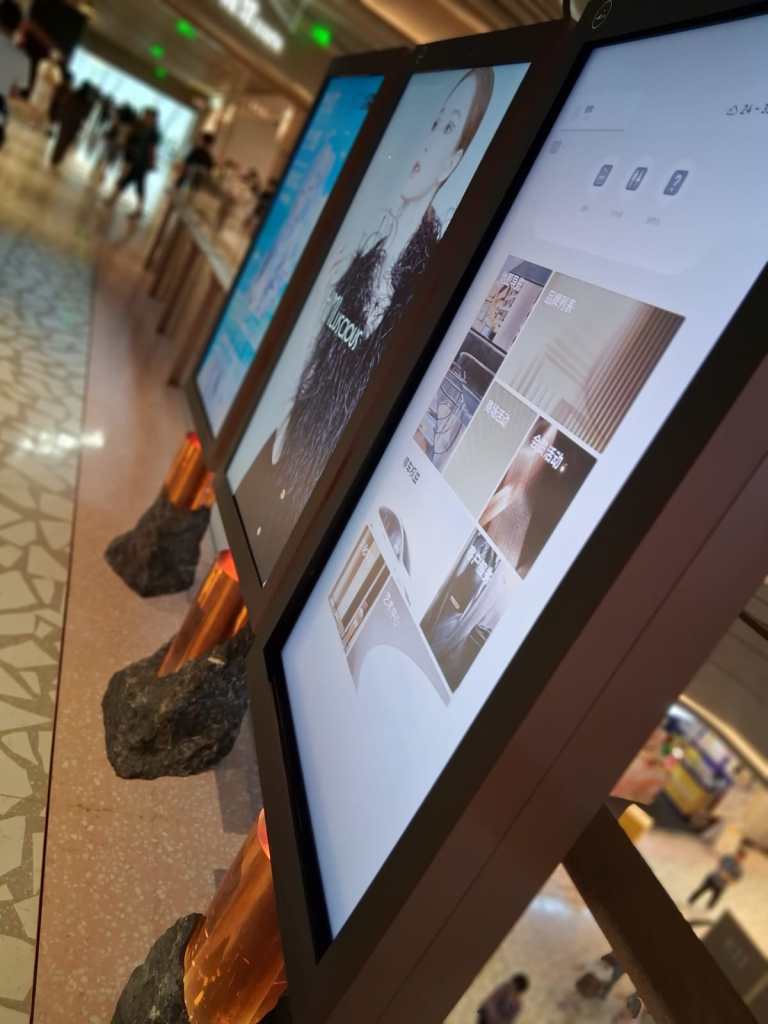
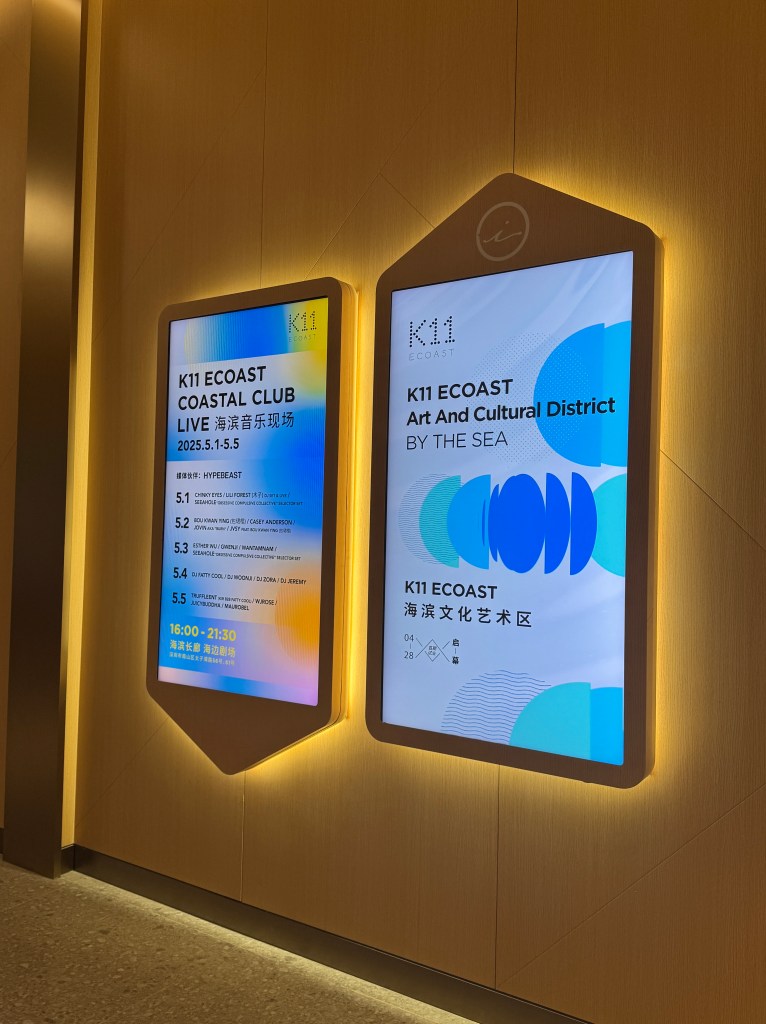
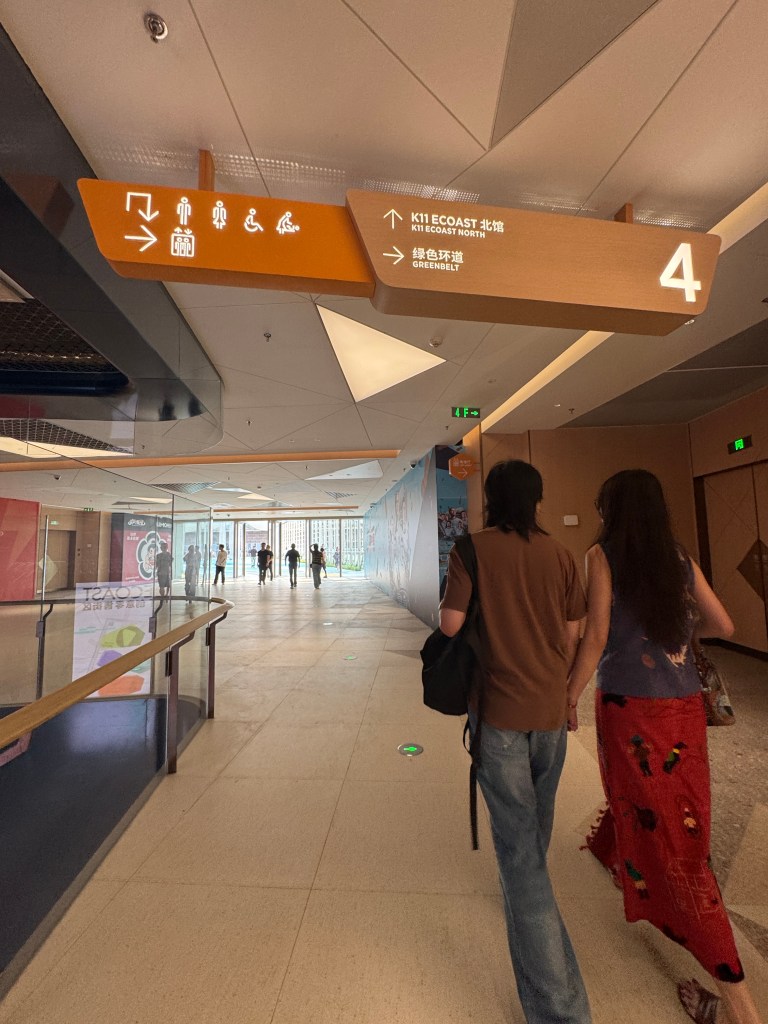
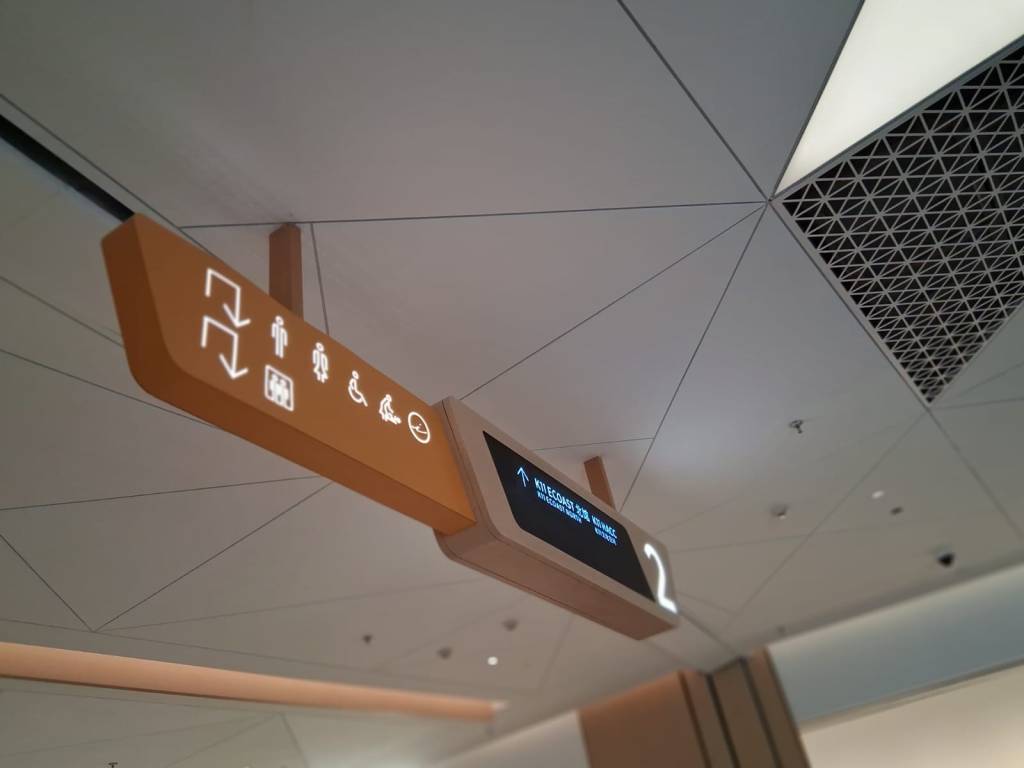
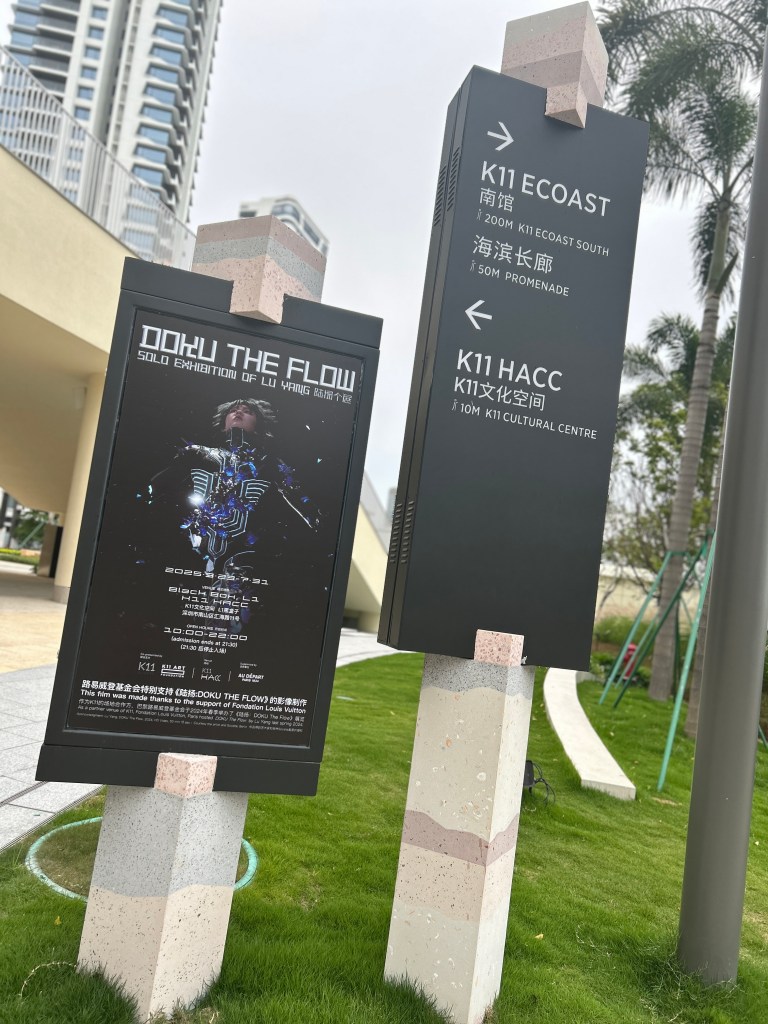
In 2020, I had the opportunity to lead the signage and wayfinding design for K11 Ecoast, a groundbreaking waterfront development in Shenzhen. This project was a rare convergence of architecture, placemaking, and sustainability—an opportunity to shape how people experience space on both a functional and emotional level.
K11 Ecoast is composed of three distinct zones: a young luxury mall, a family-oriented retail space, and a cultural mall designed by David Chipperfield. Each had its own identity, yet the challenge was to create a unified wayfinding system that respected their differences while guiding visitors effortlessly across the site.
The concept was deeply rooted in sustainability. From the materials we selected to the modularity of the signage components, every decision was made with environmental responsibility in mind. We wanted the signage to feel like a natural extension of the architecture—quietly elegant, intuitive, and conscious.
But this project was more than just signs and arrows. It was about placemaking: crafting a narrative that helped people feel grounded, inspired, and connected. Whether it was a playful moment in the family zone or a minimalist gesture in the cultural mall, the design aimed to reflect the spirit of each space while reinforcing the overall vision of K11 Ecoast.
Looking back, this project pushed me to think holistically—balancing clarity, beauty, and purpose. It remains one of the most meaningful chapters in my design journey.
 Ivy Fung - my blog